Communal Area Cleaning in SW19
If you manage or live in a shared building in SW19, you already know how quickly communal spaces can lose their clean, fresh appearance. Entrance halls collect muddy footprints after a rainy day, stairwells gather dust, bin stores can develop odours, and shared touchpoints get used by everyone from residents to visitors and delivery teams. That is why Communal area Cleaning in SW19 matters so much for local flats, mansion blocks, converted houses, apartment developments, housing associations, and mixed-use properties.
Our service is designed for real local needs: regular upkeep that keeps shared areas presentable, hygienic, and comfortable for everyone who uses them. Whether your building is near Wimbledon town centre, South Wimbledon, Colliers Wood, or closer to the quieter residential streets around Merton, the aim is the same—create a cleaner environment that supports tenants, owners, visitors, and property managers alike.
From weekly cleans to tailored schedules for busier buildings, communal cleaning helps maintain standards, protect surfaces, and reduce the build-up of dirt that often happens in high-traffic areas. If you are looking for dependable shared-area cleaning for a block of flats or a commercial premises with common spaces, contact us today to request a free quote and discuss what your property needs.
Why Communal Area Cleaning Matters in SW19
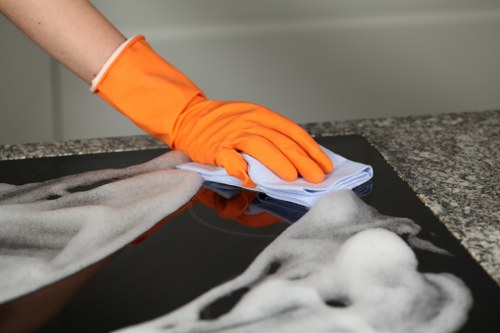
Shared spaces do far more than connect individual homes or units. They shape first impressions, support safety, and influence how people feel about a building. In SW19, where properties range from purpose-built flats and modern developments to period conversions and busy office buildings, communal areas often experience a mix of foot traffic, weather exposure, and everyday wear. A well-maintained lobby or corridor feels more welcoming straight away, while neglected areas can quickly make a whole property seem tired.
Local conditions also play a part. In and around Wimbledon, people often move between stations, high streets, parks, schools, and sports venues, bringing in dust, rainwater, leaves, and debris. During wetter months, entry mats and floors can take a beating. In summer, open doors and increased footfall can mean more litter and dust. Regular cleaning keeps these issues under control before they become harder to manage.
There is also a practical side to communal cleaning that residents and landlords appreciate. Clean handrails, door handles, intercom areas, and lift controls help keep everyday shared contact points more hygienic. Well-cared-for floors, glass, bins, and staircases can reduce complaints, improve tenant satisfaction, and support a more orderly building environment.
What Our Communal Cleaning Service Covers
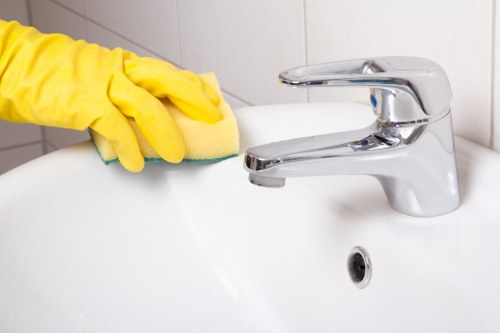
Every building is different, so a good cleaning plan should be flexible rather than one-size-fits-all. A typical communal area cleaning service in SW19 can include a range of tasks depending on the layout, frequency required, and the condition of the property. The goal is to cover the most-used areas thoroughly and keep the building consistently presentable.
Common tasks often include the following:
- Cleaning entrance lobbies and shared hallways
- Vacuuming carpets and runners
- Sweeping and mopping hard floors
- Dusting skirting boards, ledges, and accessible surfaces
- Wiping bannisters, handrails, and balustrades
- Cleaning doors, glass panels, and entrance frames
- Wiping down lift interiors and buttons where applicable
- Cleaning internal windows, mirrors, and low-level glass
- Emptying and replacing waste bin liners in agreed areas
- Tidying and cleaning bin stores or refuse areas
- Removing cobwebs and visible debris from corners and ceilings where safe to do so
Strong results depend on consistency. A communal cleaner who knows the property can spot recurring issues early, such as muddy patches near a side entrance, fingerprints around the entrance door, or litter that collects by recycling points. That attention to detail makes a noticeable difference in the day-to-day appearance of the building.
Buildings and Customers We Support

Communal cleaning in SW19 is needed by a broad mix of customers. Some buildings need a light, regular touch-up to keep shared corridors in shape. Others need more structured upkeep due to larger resident numbers, commercial footfall, or complex layouts. We work with residential and commercial customers who need dependable shared-space cleaning that fits the building, not the other way around.
This can include:
- Private apartment blocks
- Converted Victorian and Edwardian houses
- Modern residential developments
- Mixed-use buildings with flats above shops or offices
- Housing association and managed rental properties
- Office buildings with shared entrances, corridors, and toilets
- Student accommodation and multi-occupancy buildings
In SW19, property styles vary significantly from street to street. A building near Wimbledon Chase may need careful corridor and stairwell cleaning with minimal disruption to residents, while a commercial property closer to Wimbledon town centre may need early-morning or end-of-day service to avoid interfering with visitors and staff. Choosing a local team makes it easier to tailor the cleaning around those real-world needs.
How a Local SW19 Cleaning Team Helps
Local knowledge makes a practical difference
A cleaning team familiar with SW19 understands the local rhythm of the area. There are busy periods around commuter routes, school runs, sports events, and weekend traffic. There are also residential streets where parking can be tight and access needs to be planned carefully. A local provider is more likely to factor in these details when arranging visits, carrying equipment, and working around building restrictions.
That matters because communal cleaning is often about timing as much as technique. If cleaners arrive when residents are leaving for work or when a delivery bay is blocked, the service becomes more disruptive than helpful. A well-organised local team can work with access codes, concierge arrangements, caretaker instructions, keyholding procedures, or scheduled building access where appropriate.
It is also easier to respond to changing needs. If a bin store needs extra attention after a busy weekend, or if a building has ongoing issues with leaves, mud, or lift fingerprints, a nearby team can adapt more quickly than one covering a much wider area. That responsiveness is especially useful for managing shared spaces in and around Wimbledon, South Wimbledon, Merton Park, and nearby neighbourhoods.
What Is Included in Communal Area Cleaning in SW19

When people enquire about communal cleaning, they often want to know exactly what will be done. The answer depends on the building and the agreed schedule, but the service normally focuses on keeping shared access and circulation areas clean, tidy, and safe to use. The work can be adapted for both routine maintenance and heavier cleans where the property has fallen behind.
Typical inclusions may cover:
- Entrance and reception area cleaning
- Corridor and hallway vacuuming or mopping
- Staircase sweeping and cleaning
- Door and handle wiping
- Glass and mirror cleaning at accessible levels
- Skirting, ledge, and surface dusting
- Internal litter pick-up
- Bin area and refuse point cleaning
- Lift and lift lobby cleaning
- Noticeboard and communal surface wipe-downs
Some properties also need extra attention in specific areas. For example, a building with carpeted hallways may need regular vacuuming to prevent grit from damaging fibres. A property with polished hard floors may need more frequent mopping and spot treatment to keep the entrance presentable. A block with multiple floors may also require consistent stairwell cleaning to keep handrails, treads, and corners looking cared for.
Clean shared areas do more than look good. They help reduce ongoing wear, support a better resident experience, and make the building feel more professionally managed.
Flexible Cleaning Schedules for Different Properties

One of the most important parts of communal cleaning is the schedule. Some properties need a frequent visit because they receive steady foot traffic every day. Others are smaller and only need weekly or fortnightly upkeep. The best plan depends on the number of residents, the type of surfaces, whether there is a lift, how often bins are moved, and how exposed the property is to dirt from outside.
Common scheduling options include:
- Daily cleaning for busy or high-occupancy buildings
- Weekly cleaning for smaller blocks or lower-footfall premises
- Fortnightly visits for properties that need lighter upkeep
- Seasonal adjustments during wet or leaf-fall periods
- Additional cleans after refurbishment, tenant turnover, or special events
SW19 properties often benefit from a seasonal approach. Autumn can bring leaves and mud into entrances and stairwells. Winter creates slush, grit, and moisture issues. Spring and summer may require more attention to dust, insects, and higher foot traffic. A flexible cleaning plan helps keep standards steady throughout the year rather than only reacting when problems become obvious.
Communal Area Cleaning for Residential Buildings
Keeping homes pleasant for residents and visitors
For residential customers, communal cleaning is about more than appearance. Shared hallways, staircases, and entrance spaces are part of the everyday living environment. Residents pass through them several times a day, children use them, visitors arrive through them, and deliveries often rely on them. When these spaces are clean, the entire building feels calmer, safer, and better managed.
In residential blocks across SW19, common concerns often include dust build-up in corridors, footprints on entrance flooring, fingerprints on glass, and rubbish or leaf debris near doors. If those issues are left too long, they can spread quickly. Regular cleaning keeps on top of the mess and makes it easier for residents to enjoy shared areas without feeling frustrated by avoidable dirt.
For landlords, freeholders, residents’ associations, and managing agents, dependable communal cleaning also supports building upkeep. It helps create a clear standard for shared responsibilities and can reduce disputes over who should handle what. A consistent service is often easier to manage than a collection of one-off fixes.
Communal Area Cleaning for Commercial and Mixed-Use Premises
Presenting a professional building impression
Commercial and mixed-use properties in SW19 often need a higher level of coordination. A shared entrance may be used by office staff, customers, residents, contractors, and couriers. In these settings, the communal space contributes directly to how the property is perceived. Clean corridors, tidy entrances, and well-kept lift areas support a more professional environment.
Commercial customers may need cleaning outside regular business hours, especially where footfall is heavy during the day. Mixed-use buildings can also have varying cleaning priorities: residential areas may need quiet, careful attention, while shared commercial spaces may need more frequent cleaning due to public use. The ability to tailor service around these needs is a major benefit of using a local provider familiar with the area.
Where access is constrained, a practical approach matters. Many SW19 buildings have limited parking, narrow roads, controlled entry points, or restricted loading access. A local cleaning team that plans ahead can help avoid delays and keep service reliable without disrupting tenants, staff, or visitors.
Access, Parking, and Local Property Challenges in SW19
Anyone responsible for a property in SW19 knows that cleaning the building is only part of the job. Access and logistics can make a real difference to how smoothly service runs. Some streets have limited kerbside space. Some blocks are tucked away behind gated entrances, shared courtyards, or private driveways. Others may have no convenient parking nearby, meaning equipment needs to be carried carefully and efficiently.
There can also be practical building challenges. Older conversions may have narrow staircases or delicate finishes. Modern developments may include coded entry systems, multiple levels, underground parking, or lift access restrictions. A professional communal cleaner should work around these conditions without causing disruption or damaging surfaces.
That is why planning matters. When a team understands the property layout, the routine becomes smoother, the cleaning more consistent, and the residents less likely to be inconvenienced. It is a simple but important part of reliable communal area cleaning in SW19.
How the Service Works
A straightforward process from enquiry to ongoing visits
Most customers want a simple process with minimal hassle. A good cleaning service should start with a clear discussion about the property, the areas to be covered, the level of footfall, and the frequency needed. Once those basics are understood, it becomes much easier to set up a routine that works for everyone involved.
In general, the process may look like this:
- Initial enquiry – you explain the property type, location, and cleaning needs.
- Site understanding – details are gathered about communal areas, access, and frequency.
- Service plan – a cleaning schedule is shaped around the building’s requirements.
- Regular cleaning visits – the team attends on the agreed days and carries out the specified tasks.
- Ongoing review – if the building changes, the service can be adjusted.
This approach is especially useful for managed buildings. It keeps communication clear and helps everyone know what is included. If residents or managers notice particular issues, such as a recurring spill near the entrance or a patch of dirt by the bin store, those areas can be prioritised in future visits.
Preparation Checklist for Residents and Property Managers
Communal cleaning works best when the building is ready for the team to do the job efficiently. Usually, there is very little for residents to do, but a few simple steps can help save time and avoid confusion, especially in shared properties with limited access.
Before a scheduled clean, you may wish to consider the following:
- Ensure cleaners can access communal areas as planned
- Remove personal items from shared spaces where possible
- Keep bikes, prams, and stored belongings clear of walkways
- Make sure bin stores are accessible if they are included in the service
- Report any maintenance issues that affect cleaning, such as broken lights or damaged flooring
- Share any special instructions for alarms, entry codes, or restricted spaces
Good preparation leads to better results. It also helps the service run smoothly and reduces the chance of cleaners needing to return because an area was blocked or inaccessible. For property managers, a simple checklist can make a recurring service easier to oversee.
What Affects Pricing for Communal Cleaning
Understanding the factors behind a quote
People often ask what communal cleaning costs, but pricing depends on several practical factors rather than a single standard rate. Since every building in SW19 is different, a proper quote usually reflects the layout, frequency, and level of cleaning required. This helps ensure the service is suitable and fair for the property.
Typical pricing factors include:
- Size of the building and number of floors
- Number of communal areas to be cleaned
- Frequency of visits required
- Condition of the property and level of soiling
- Need for specialist tasks such as lift cleaning or bin store cleaning
- Access requirements, entry restrictions, or time-based schedules
- Whether the property is residential, commercial, or mixed-use
It is often helpful to request a tailored quote rather than comparing properties that look similar on paper. For example, two apartment blocks in SW19 might both have three floors, but one could have carpeted corridors, a lift, a bin store, and high occupancy while the other is smaller and quieter. The work involved is not the same, and the service should reflect that.
Why Choose a Local Company for SW19?
Practical benefits that matter to customers
Choosing a local company for communal area cleaning in SW19 offers clear advantages. Local teams are usually better placed to understand the property mix, access issues, and community expectations in the area. They are also more likely to provide a responsive service if your building needs a change in schedule or an extra visit.
Here are some of the reasons customers prefer a nearby provider:
- Better understanding of local property types
- More practical planning around access and parking
- Easier scheduling for busy residential or commercial buildings
- Faster adaptation to changes in the property’s needs
- Cleaner communication with less back-and-forth
- Service that feels more personal and accountable
For local customers, that means less stress and more confidence that the building is being looked after properly. Whether the site is a compact block off a residential street or a larger mixed-use property near a main route, local experience helps keep the cleaning consistent.
Areas Covered Around SW19
Serving nearby neighbourhoods and property types
Communal area cleaning in SW19 naturally extends to a range of nearby neighbourhoods and surrounding parts of Wimbledon. Customers in South Wimbledon, Wimbledon town centre, Wimbledon Park, Wimbledon Village, Merton Park, Raynes Park, Colliers Wood, and parts of nearby residential districts often have similar needs when it comes to shared cleaning.
What matters most is the property type and access, not just the postcode. A flat block near a transport link may need more frequent attention than a quieter residential street. A commercial building with customer access may need more visible presentation standards than a private block with lower footfall. Service can be adjusted accordingly to fit the actual use of the site.
If you manage a building in or around SW19 and want a dependable cleaning arrangement, it is worth discussing the layout, schedule, and priorities in detail. Request a free quote and see how a tailored communal cleaning plan can support your property.
Health, Hygiene, and Everyday Comfort
Clean communal areas make a difference beyond appearances. Shared entrances, stairwells, and corridors are high-contact, high-use spaces. Even when they look tidy at first glance, small amounts of dust, grime, and waste can build up quickly. Regular cleaning helps maintain a better standard of hygiene and supports a more pleasant environment for everyone living or working in the building.
In practice, this means wiping down contact points, removing visible dirt before it spreads, and keeping surfaces free from lingering debris. It also means reducing odours in bin areas, limiting the accumulation of dust in corners, and making sure floors are safe and comfortable to walk on. When people enter a clean shared space, they immediately feel the building is being cared for properly.
That sense of care matters. Residents tend to respect a well-kept building more, visitors notice the difference, and managers benefit from fewer complaints about avoidable mess. For many property owners and occupiers, regular communal cleaning is one of the simplest ways to maintain standards without major disruption.
FAQs About Communal Area Cleaning in SW19
Common questions from local customers
How often should communal areas be cleaned?
It depends on foot traffic, the number of residents or users, and the type of property. Busy blocks may need daily or weekly cleaning, while smaller buildings may only need fortnightly visits. A tailored plan is usually the best approach.
Can you clean both residential and commercial communal areas?
Yes. Shared areas in apartments, mixed-use properties, offices, and managed buildings can all be cleaned according to the site’s requirements.
What if my building has difficult access or limited parking?
That is common in SW19, and it is usually manageable with proper planning. Access details, parking restrictions, and entry instructions should be discussed at the outset so service can be arranged smoothly.
Do you clean bin stores and refuse areas?
These areas are often included where requested, as they can quickly become a source of odours or mess if not maintained regularly.
Can the service be adjusted if residents notice a problem area?
Yes. If a specific part of the building needs more attention, the cleaning plan can usually be reviewed and adapted.
How do I get started?
Simply contact us today, tell us about the property, and request a free quote. From there, a cleaning schedule can be shaped around your building’s needs.
Book Communal Area Cleaning in SW19
If you are responsible for a shared property in SW19 and want a cleaner, better-kept building, the next step is straightforward. Whether the need is for a regular cleaning rota, a cleaner presentation for residents and visitors, or a more reliable service for a mixed-use premises, communal cleaning can be arranged to fit your property.
Good cleaning is about more than removing dirt. It is about creating a building people are happy to enter every day. It is about supporting property value, day-to-day comfort, and a better standard of care in shared spaces. For residential blocks, offices, and mixed-use properties across Wimbledon and the surrounding SW19 area, a local service can make that much easier to maintain.
Book your service now or request a free quote to discuss the communal cleaning support your property needs. If you would like a regular schedule or simply want to improve the condition of shared spaces, we are ready to help with a practical, local approach.