Wandle Park upholstery cleaning insider tips for Colliers Wood
If you live in or around Colliers Wood, upholstery can take a beating faster than you might expect. Mud from a damp walk near Wandle Park, coffee on the sofa after a rushed morning, pet hair in the armchair, or that slightly stale smell that creeps into fabric after a long winter - it all adds up. The good news is that Wandle Park upholstery cleaning insider tips for Colliers Wood are not just about making fabric look nicer. They help you protect your furniture, avoid expensive mistakes, and get a much better result whether you are cleaning a dining chair, a sofa, or a favourite reading armchair.
In this guide, you will find practical steps, common pitfalls, method comparisons, and a few local realities that matter more than most people think. Truth be told, upholstery cleaning is one of those jobs that looks simple until you do it badly. Then it becomes very visible. Let's avoid that.
Table of Contents
- Why these upholstery cleaning tips matter in Colliers Wood
- How the cleaning process works
- Key benefits and practical advantages
- Who this is for and when it makes sense
- Step-by-step guidance
- Expert tips for better results
- Common mistakes to avoid
- Tools, resources and recommendations
- Law, compliance, standards, and best practice
- Options, methods, and comparison table
- Case study or real-world example
- Practical checklist
- Conclusion
- Frequently asked questions
Why Wandle Park upholstery cleaning insider tips for Colliers Wood Matters
Upholstery is not just decoration. It is one of the hardest-working surfaces in a home. Sofas, headboards, dining chairs, footstools, and office seating absorb skin oils, food particles, dust, outdoor grit, and everyday spillages. In a busy area like Colliers Wood, where people move between transport, parks, shops, and homes with pets or children, fabric furniture often picks up more dirt than you realise.
That is why local context matters. After a wet stroll near Wandle Park, a jumper brushed against the sofa. A muddy boot catches the edge of a fabric chair. A small splash from a takeaway coffee dries invisibly at first, then comes back later as a mark or odour. Small things, but they add up.
There is also the issue of fabric wear. When dirt is left in upholstery for too long, it acts like fine sandpaper. Every sit-down grinds those particles into the fibres. Over time, colours look duller, cushions feel tired, and the fabric can age faster than the furniture itself should.
For many households, upholstery cleaning is also about hygiene and comfort. A fresh sofa feels different. A clean armchair smells cleaner, looks brighter, and makes the whole room feel more cared for. That matters whether you are preparing a rental, getting ready for guests, or just trying to make your own home feel decent again after a long week.
Expert summary: the best upholstery results usually come from quick spill response, the right cleaning method for the fabric type, and proper drying. Miss one of those, and you risk rings, shrinkage, or a stubborn damp smell.
If you want to understand the broader approach to fabric care, it can help to look at related services such as professional upholstery cleaning, sofa cleaning, and targeted stain removal. Those pages are useful when you are comparing options and trying to work out what level of help you actually need.
How Wandle Park upholstery cleaning insider tips for Colliers Wood Works
At a practical level, upholstery cleaning follows a simple logic: identify the fabric, test safely, remove loose dirt, treat spots, clean with the least aggressive method that will still do the job, then dry thoroughly. Sounds easy. It rarely is, because fabrics behave differently.
Most upholstered items have one of a few common fabric types or cleaning codes. Some can handle water-based cleaning. Others need very careful low-moisture work. A few should not be soaked at all. If you skip this step and just go in with a bottle and optimism, you can end up with tide marks, fibre distortion, or even dye transfer. Not ideal.
The cleaning process often involves one or more of the following:
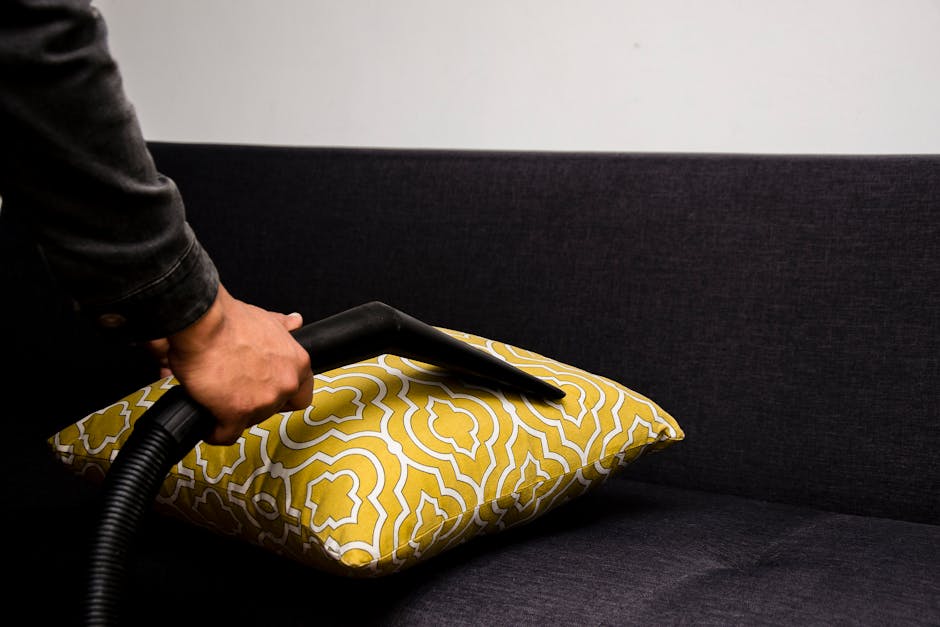
- Vacuuming to remove grit and debris from seams, buttons, and cushion gaps.
- Spot treatment for food, drink, pet, or cosmetic stains.
- Agitation using a soft brush or controlled fabric-safe movement.
- Moisture extraction or low-moisture cleaning depending on the fabric.
- Drying and grooming to help fibres settle evenly.
Hot water extraction is often associated with deeper cleaning, but it is not suitable for every piece of upholstery. Delicate natural fibres, antique fabrics, velvet, and some blended materials need a gentler touch. On the other hand, some synthetic sofas respond very well to a careful extraction clean and can look dramatically fresher afterwards.
If your furniture has odour issues, greasy marks, or repeat staining from pets, a specialist approach is often wiser than a generic wipe-down. A service such as pet stain and odour removal may be useful where the problem is not just visual but also lingering in the fibres. And yes, sometimes the smell is the bigger issue. Let's face it, people notice that first.
Key Benefits and Practical Advantages
Good upholstery cleaning does more than improve appearance. It helps your furniture last longer, keeps rooms feeling fresher, and reduces the temptation to replace items too early. That alone can save money over time.
Here are the main benefits people usually notice:
- Better appearance: colours look brighter and fabric seems less flat.
- Improved comfort: cushions and armrests feel cleaner and more pleasant to use.
- Odour reduction: stale smells from pets, spills, smoke, or everyday use are reduced.
- Longer furniture life: dirt removal helps prevent wear from abrasive particles.
- Healthier indoor environment: less built-up dust and grime in heavily used soft furnishings.
- Better presentation: useful if you rent, host guests, work from home, or want the room to feel properly looked after.
One underrated benefit is how much a clean sofa changes the feel of a room. You can clean the floor, polish the table, and still the room looks tired if the sofa is grubby. That one piece often carries the whole space.
For homes with more than just upholstery to manage, it may also be sensible to combine it with house cleaning or deep cleaning so the fresh-up feels complete rather than half-done. Small win, but a real one.
Who This Is For and When It Makes Sense
This topic is for anyone who wants a better result from upholstery care without gambling on the wrong method. In our experience, it tends to help four groups most.
- Busy households: families, pet owners, and anyone whose sofa sees daily use.
- Tenants and landlords: especially where furniture condition affects check-ins, deposits, or handovers.
- Home workers: office chairs and fabric desk seating can hold a surprising amount of dust and sweat.
- Hosts and property managers: if you are preparing for guests, viewings, or occupancy changes.
It also makes sense after a specific incident: a spill, a pet accident, post-building dust, smoke exposure, or a seasonal deep refresh. If you have just finished a renovation, for example, fine dust can settle into fabric even when the rest of the home looks neat. In that case, combining it with after builders cleaning can make a big difference.
When should you not rush in and clean it yourself? If the item is valuable, antique, heavily dyed, water sensitive, or already damaged. A cautious inspection first is worth far more than an enthusiastic scrub. Honestly, most upholstery mistakes happen because people want a quick fix.
Step-by-Step Guidance
Here is a simple process that works well for most everyday upholstery cleaning situations. Keep it calm. No heroics needed.
- Check the care label or fabric guidance. Look for cleaning codes, trim details, and any warnings about water, heat, or solvent use.
- Vacuum thoroughly. Use a crevice tool and upholstery attachment to remove grit from seams, piping, and cushion edges.
- Test in a hidden area. Try any cleaner on a small, discreet section first and wait for it to dry before going further.
- Treat stains individually. Blot, do not rub. Work from the outside of the stain inward to avoid spreading it.
- Use the correct cleaning method. Light soiling may need simple spot cleaning; deeper soiling may need a low-moisture or extraction method.
- Control the moisture. Too much liquid can cause rings, shrinkage, or a musty smell.
- Dry properly. Open windows if weather allows, use airflow, and avoid sitting on the item too soon.
- Brush or groom the fibres. This helps the fabric settle more evenly and look less patchy once dry.
A useful rule: if the stain is fresh, act quickly but gently. If it is old, set-in, or oily, be more careful. Pushing harder is rarely the answer.
If you are dealing with a sofa, it can also help to look at sofa cleaning as a service-specific approach, because larger upholstered items often need different handling than dining chairs or occasional seats.
Expert Tips for Better Results
This is where the small details matter. The difference between a decent clean and a really good one is often surprisingly minor.
1. Clean the whole panel, not just the stain
Spot-cleaning only the mark can leave a visible patch or outline. Feather the treatment outward so the cleaned area blends into the surrounding fabric. It is a bit fiddly, yes, but worth it.
2. Avoid over-wetting seams and padding
Upholstery is not carpet. Fabric on furniture often has foam, wadding, or layered backing beneath the surface. If water gets too deep, drying becomes slower and smell can linger.
3. Watch for dye bleed on dark or vibrant fabrics
Bright reds, deep blues, and some patterned fabrics can release colour if treated too aggressively. A careful test area is essential. No shortcuts here.
4. Use airflow as part of the cleaning method
Fans, open windows, or simple room ventilation make a bigger difference than people think. Proper drying reduces musty odours and helps the fabric finish evenly.
5. Don't mix cleaners casually
Different products can react badly together, especially on upholstery where residues remain in the fibres. Use one chosen method, test it properly, and stick with it.
6. Treat pet issues differently from food spills
Pet urine or repeated odour needs a deeper approach than a drink spill. It often sits in the base layers, not just the visible surface. For that reason, specialist pet stain and odour treatment is often the safer route.
One small but useful habit: before cleaning, take a quick photo of the furniture from a few angles. It helps you track progress and, if needed, compare before and after without relying on memory. Memory is unreliable. Bit rude, but true.
Common Mistakes to Avoid
Most upholstery problems come from a few repeat mistakes. If you avoid these, you are already ahead of the game.
- Rubbing stains hard: this can push dirt deeper and damage the fibres.
- Using too much water: it can create rings, slow drying, and musty smells.
- Ignoring the care label: that small label often saves you from a big headache.
- Cleaning only the visible stain: this can leave a patch around the treated spot.
- Using a harsh product on delicate fabric: one wrong choice can flatten texture or change colour.
- Reusing a dirty cloth: you can spread soil rather than remove it.
- Sitting on the furniture too soon: pressure can distort damp fibres and trap moisture.
Another common issue is trying to make one household cleaner do everything. It rarely works out as hoped. Upholstery is fussy in that way. A little patience usually beats a more aggressive product.
Tools, Resources and Recommendations
You do not need a van full of kit to look after upholstery well. For routine care, a modest set of tools is usually enough.
- Upholstery vacuum attachment: essential for daily or weekly dust and grit removal.
- Soft-bristled brush: useful for loosening dry soil without damaging fibres.
- White microfibre cloths: ideal for blotting because they show transfer clearly and reduce dye risk.
- Fabric-safe cleaner: choose one that matches the material and cleaning code.
- Clean dry towels: handy for absorbing excess moisture when needed.
- Gloves: simple protection if you are working with cleaning solutions or stubborn contamination.
If the furniture needs a broader clean around the same time, you may also find it useful to look at rug cleaning or curtain cleaning, especially if the room feels dusty or stale overall. Soft furnishings often age together. One dirty item can make the others look worse.
For homes where pets are part of everyday life, pairing upholstery care with mattress cleaning or routine regular cleaning can make the whole property feel much easier to maintain. Not glamorous, but very effective.
Law, Compliance, Standards, and Best Practice
For most homeowners, upholstery cleaning is a practical maintenance task rather than a heavily regulated one. Still, there are sensible UK best-practice points worth keeping in mind, especially if you are hiring a cleaner or dealing with rental property standards.
First, safe chemical use matters. Any cleaning product should be used according to its instructions, with care around ventilation, fabric compatibility, and skin contact. If a service provider uses products on your property, it is reasonable to expect them to work safely and to explain any precautions clearly.
Second, if you are a tenant or landlord, keep an eye on inventory and condition expectations. Upholstery condition can matter at check-in, mid-tenancy, and move-out. A freshen-up before handing over a property often reduces disagreement later on. For that kind of situation, end of tenancy cleaning can be a practical umbrella service, with upholstery handled as part of the overall refresh where relevant.
Third, insurance and trust are not boring details. If someone is working in your home, especially on valuable fabric furniture, it is sensible to understand what they cover and how they work. A clear view of insurance and safety gives peace of mind, and it should. Nobody wants surprises if a delicate chair reacts badly.
If you are comparing providers, check how they approach safety, fabric testing, drying, and stain handling. That is the good stuff. The polished marketing line is one thing; the actual method is another.
Options, Methods, and Comparison Table
Different upholstery situations call for different methods. Here is a simple comparison to help you decide what fits best.
| Method | Best for | Strengths | Watch-outs |
|---|---|---|---|
| Vacuum and spot clean | Light dirt, fresh marks, routine upkeep | Quick, low-risk, cheap to do | Won't solve deep odour or built-up grime |
| Low-moisture fabric cleaning | Delicate fabrics, faster drying needs | Gentler, less saturation, often safer for sensitive items | May need more careful stain treatment |
| Hot water extraction | Durable synthetics, deep soiling, high-use sofas | Deep soil removal, strong refresh effect | Not suitable for every fabric; drying must be managed |
| Targeted stain treatment | Single spills or localised marks | Focused and efficient | May leave a visible blend issue if not feathered properly |
| Professional full-service cleaning | Large items, valuable furniture, tricky fabrics | Better assessment, safer method choice, more consistent result | May cost more than DIY, though often worth it |
The right choice depends on the fabric, the age of the item, and the level of soiling. A lightly used armchair does not need the same treatment as a family sofa that has seen years of Saturday films, snack crumbs, and one too many rainy-day jumps.
Case Study or Real-World Example
Here is a realistic example from the kind of situation many Colliers Wood households recognise.
A family living a short walk from Wandle Park had a cream fabric sofa in the main living room. Over time, it had picked up a dull patch on the seat cushions, a faint damp smell from winter ventilation issues, and a couple of tiny marks from drinks. Nothing dramatic. Just enough to make the room look tired every time they walked in.
They started by vacuuming carefully, then tested a cleaning solution on a hidden edge. One mark lifted easily, but the deeper dinginess remained. Rather than pushing harder with more liquid, they switched to a controlled low-moisture approach and focused on drying the fabric well. They kept the windows open for a few hours, moved air through the room, and avoided using the sofa until it was fully dry.
The result was not a showroom transformation, and it did not need to be. The sofa looked fresher, the odour had dropped noticeably, and the whole room felt lighter. That is often the real outcome with upholstery cleaning. Not magic. Just a proper reset.
In a different home, with a darker sofa and pet-related odour, a more specialised approach would likely have been the better call from the start. Different problem, different fix. Simple as that.
Practical Checklist
Use this quick checklist before you clean upholstery yourself or book help.
- Check the care label and fabric type.
- Vacuum seams, cushions, arms, and hidden corners.
- Identify whether the issue is dirt, stain, odour, or all three.
- Test any cleaning product in an out-of-sight area.
- Blot stains gently instead of rubbing them.
- Avoid soaking the fabric or padding.
- Use clean cloths and fresh water where appropriate.
- Allow proper drying with good airflow.
- Brush fibres once dry if needed.
- Consider professional help for delicate, valuable, or heavily soiled items.
If you are planning a broader home refresh, you may also want to think about one-off cleaning or domestic cleaning so the work fits together sensibly rather than happening in isolated bits. That often saves time and keeps the end result more even.
Conclusion
Upholstery cleaning in Colliers Wood is not just about having a nice-looking sofa. It is about keeping everyday life a bit fresher, protecting furniture from avoidable wear, and handling spills and smells before they become permanent. The best Wandle Park upholstery cleaning insider tips for Colliers Wood are actually quite straightforward: know your fabric, test carefully, use less moisture than you think you need, and dry everything properly.
That may sound simple, but simple done well is usually what works. If you take nothing else from this guide, take this: the fastest clean is rarely the best clean. A careful, methodical one usually wins. Every time.
For deeper help with fabric furniture, it can be worth exploring professional upholstery cleaning alongside related fabric care options when the problem is bigger than one surface or one stain.
Get a free quote today and see how much you can save.
And if you are standing there right now looking at one annoying mark on the armrest, don't worry too much. Most upholstery problems are fixable with the right approach and a little patience.
Frequently Asked Questions
What is the safest way to clean upholstery at home?
Start with vacuuming, then test any cleaner on a hidden spot. Blot spills gently, use as little moisture as possible, and allow full drying with airflow. If the fabric is delicate, stop before you create a bigger problem.
How often should upholstery be cleaned in a Colliers Wood home?
That depends on use. Lightly used furniture may only need periodic refreshes, while family sofas, pet homes, or high-traffic seating often need more frequent attention. Regular vacuuming helps in between deeper cleans.
Can I use carpet cleaner on a sofa?
Not automatically. Carpet and upholstery can react differently to moisture and chemicals. Some upholstery fabrics are too sensitive for typical carpet-style cleaning. Always check the fabric guidance first.
Why does my sofa smell worse after I clean it?
That usually happens when too much moisture gets trapped in the filling or when the fabric dries too slowly. A stale smell can also come from deep contamination that needs a more targeted approach.
What should I do with a fresh spill on fabric furniture?
Blot it straight away with a clean cloth, working from the outside in. Do not rub. Rubbing spreads the spill and can drive it deeper into the fabric.
Are steam methods always best for upholstery?
No. Steam or hot water extraction can work very well on some durable fabrics, but it is not suitable for every material. Delicate textiles may need low-moisture or specialist care instead.
How do I know if my upholstery needs professional cleaning?
If the fabric is delicate, the stain is old, the odour is persistent, or the item is valuable, professional cleaning is often the safer choice. When in doubt, cautious inspection beats guesswork.
Will upholstery cleaning remove pet smells completely?
It can reduce or remove many odours, but the result depends on how deep the contamination goes. If the issue has soaked into the padding, more specialised treatment may be needed.
Is upholstery cleaning worth it before moving out?
Often, yes. A fresh sofa or chair can improve the overall presentation of a property and help it feel better cared for. In move-out situations, it can support a smoother handover.
What is the biggest mistake people make with upholstery cleaning?
Using too much water or scrubbing too hard. Those two habits cause a lot of avoidable damage. Gentle, patient cleaning usually gives the better result.
Can I combine upholstery cleaning with other home cleaning jobs?
Absolutely. Many people combine it with broader work such as deep cleaning, carpet cleaning, or window cleaning so the whole room feels refreshed at once.
How do I get a better result from a cleaning visit?
Clear the area around the furniture, point out known stains, mention any previous treatments, and be honest about fabric age or damage. A clear brief usually means a better outcome. Nice and simple, really.